







Search Results for: High-density coffee

Cause Analysis of Slow Flow in High-Density Light-Roast Pour-Over Coffee and a Practical Small-Flow Brewing Approach
Many coffee enthusiasts often encounter problems such as slow drainage, weak flavor, or bitterness when brewing high-density light-roast beans. These beans, due to their tight structure, high altitude, or light roast, easily settle and clog in the filter basket, leading to over-extraction or uneven extraction. Starting from Front Street's practical experience, this article analyzes the underlying reasons why high-density beans are difficult to brew and offers two approaches: first, multi-pour brewing, suitable for those not yet skilled at water control; second, a three-pour method with a slow, small stream throughout, better suited to players with some water-control foundation. Using Ethiopia's Geisha Village Red Label as an example, the article details the dose, grind, water temperature, and pouring rhythm to help you brew a great coffee with citrus and berry sweetness and acidity, rose aromatics, and an oolong finish. [more…]
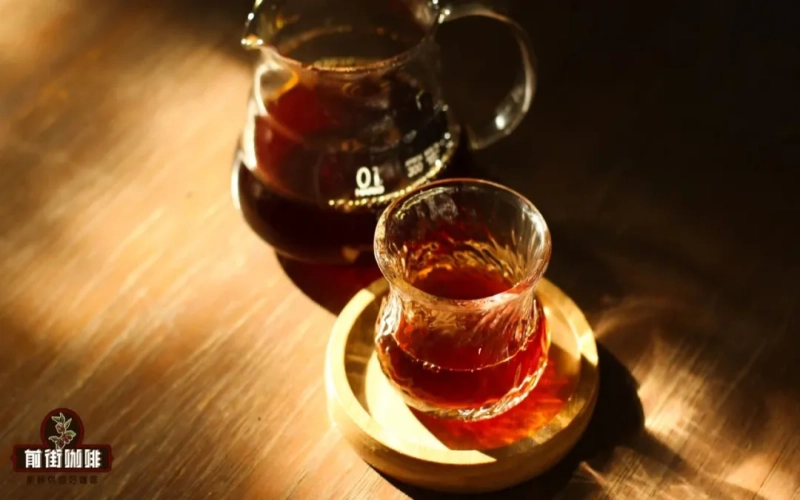
Why Does the Coffee Bed Raising Technique Sometimes Fail in Pour-Over? Causes of and Remedies for Weak Flavor Due to Excessive Bypass Water
In the process of pour-over coffee brewing, many enthusiasts encounter the problem of weak coffee flavor but cannot find a clear reason. In fact, this is likely related to excessive bypass water. Bypass water refers to water that mixes directly into the coffee liquid without participating in extraction, which dilutes the coffee concentration and makes the flavor thin. This article will systematically analyze the two common causes of bypass water—the habit of rinsing the edge of the dripper and forcibly raising the coffee bed—and, combined with differences in dripper types and coffee bean density, explain why certain brewing techniques backfire. At the same time, the article will share Front Street Coffee's strategies for brewing high-density coffee beans, helping everyone reduce bypass water interference and brew a good cup of coffee with full flavor. [more…]

Can Brewing Coffee with a Clay Pot Really Reduce Bitterness? The Principle and Practical Guide to Japan's Tokoname-ware Dripper
Many coffee enthusiasts buy all the equipment only to find cleaning a hassle, and the gear gradually gathers dust. A company under Amazon Japan has launched a product that looks like a teapot but is actually a coffee brewer, with an extremely minimalist structure—just a high-density filter added at the spout. Its body uses the thousand-year-old Tokoname-yaki craft, firing iron-rich clay unglazed, preserving its porous absorbency, which can adsorb the compounds in coffee that cause off-flavors. The bitterness of coffee mainly comes from chlorogenic acid lactones and phenylindanes, and the clay pot's structure can effectively reduce these unpleasant flavors. Using immersion extraction, by controlling water temperature and the coffee-to-water ratio, you can get a clean, full-bodied cup of coffee in 2-3 minutes. This article explains its principles and key operating points in detail. [more…]
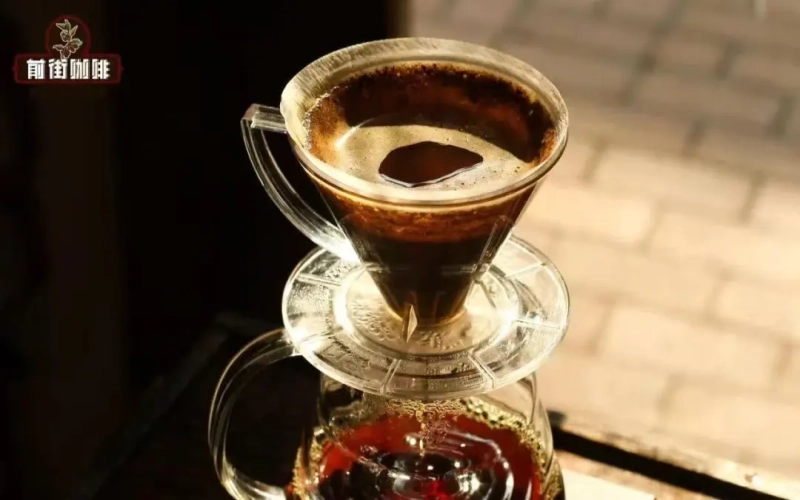
How to Fix Slow Drawdown in Pour-Over Coffee? A Full Analysis of the Three Major Factors: Fines, Agitation, and Bean Density
When brewing pour-over coffee, water failing to drain through the dripper is a problem many enthusiasts encounter. The causes of clogging are not singular—too many fines, overly vigorous agitation, and high bean density can all slow the flow. This article starts from these three common factors, analyzing each cause one by one and offering corresponding ways to improve them—including coarser grinding with a slower extraction, using a sifter, and adjusting pouring technique. At the same time, it will explain that clogging does not necessarily mean over-extraction, and whether to make adjustments should ultimately be based on how the coffee tastes on the palate. Front Street Coffee will share its brewing experience with high-density beans, using the Yirgacheffe Giddingding from its own bean list. [more…]
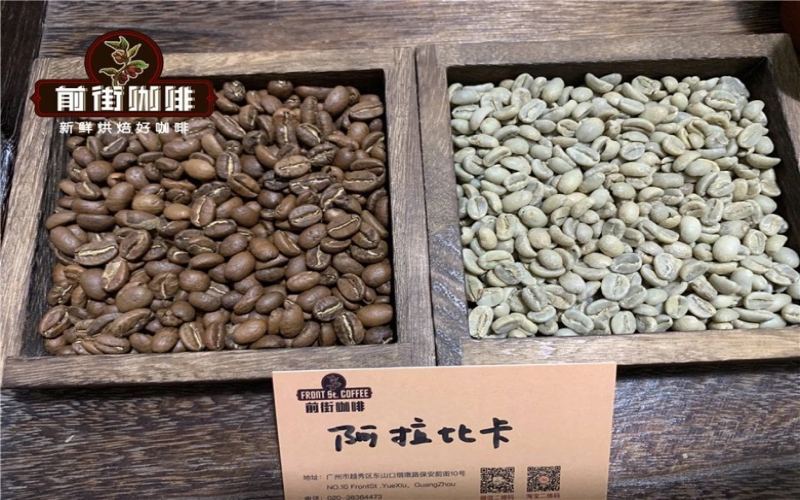
The Density and Hardness of Coffee Beans: Hidden Factors That Affect Flavor
When choosing coffee, besides origin, processing method, and roast level, there is another rarely mentioned yet profoundly influential indicator: the density and hardness of the green beans. It hides behind roasting and flavor performance, yet it is a key to understanding why this bag of beans is more resistant to roasting and more resistant to extraction. Where do density and hardness come from? The density and hardness of green coffee beans mainly [more…]
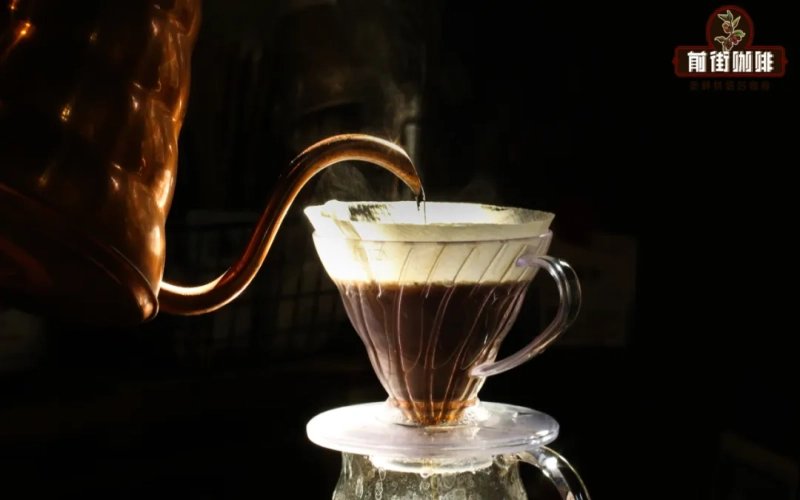
Yirgacheffe Brewing Guide: Flavor Profile, Causes of Light Roast Clogging, and a Four-Pour Practical Method
Yirgacheffe is one of Ethiopia's most recognizable regions, where high altitude and the washed process together shape its classic flavor profile centered on citric acidity, white florals, and a green tea finish. Yet many coffee enthusiasts always run into two problems when brewing: first, the filter paper clogs easily, and second, it is hard to brew that clear, clean "Yirgacheffe taste" they remember. From Front Street's perspective, this article first clarifies the origins of Yirgacheffe's flavor and its regional background, then analyzes the root causes of why light-roasted, high-density beans clog the filter paper and extract unevenly during brewing, and finally uses washed Gudingding as an example to fully demonstrate a practical approach with high water temperature, fine grind, and four small pours, helping you consistently recreate a bright, refreshing cup of Yirgacheffe. [more…]
Caturra Coffee Variety Full Analysis: From Bourbon Natural Mutation to Central American Mainstay, Flavor Profile and Historical Origins
Caturra, a natural mutation of Bourbon, has gradually become an important pillar of the Central American coffee industry since its discovery in Brazil around 1915, thanks to the high-density planting advantages brought by its dwarf gene. This article will systematically review Caturra's historical context, breeding process, and global spread, and combine Front Street Coffee's cupping experience to provide an in-depth analysis of this variety's flavor performance. At the same time, the article will also introduce the relationship between Caturra and the Catimor family, as well as Front Street Coffee's currently available Caturra daily drinking beans from the Huila region of Colombia, offering coffee lovers a complete reference from variety awareness to practical tasting. [more…]
A Comprehensive Analysis of the Flavor Characteristics, Growing Conditions, and Regional History of Guatemalan Antigua Coffee Beans
Antigua is the most renowned of Guatemala's eight major coffee-producing regions, and its distinctive flavor stems from the micro-geographic environment created by its high-altitude volcanic terrain. This article will systematically examine the four major terroir advantages of the Antigua region—volcanic fertile soil, high-density shade trees, dramatic day-night temperature differences, and high-altitude growing conditions—and introduce the complete basic information and cupping performance of this lot of Bourbon coffee. At the same time, it will guide you through the distribution characteristics of Guatemala's major coffee regions, the background behind the founding of the Antigua Coffee Association, and Front Street Coffee's reasons for recommending this Floral God coffee bean. Whether you are a beginner just getting acquainted with single-origin beans or a seasoned enthusiast in search of delicate flavors, you will find valuable reference here. [more…]
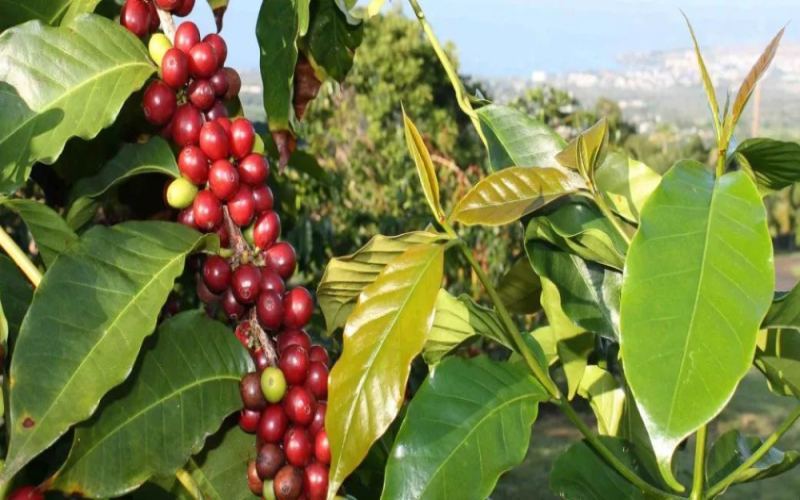
Caturra Coffee Bean Flavor Analysis: Taste Characteristics and Brewing Suggestions of a Single-Gene Bourbon Variant
Caturra is an important single-gene mutation within the Bourbon family, and thanks to its exceptional adaptability and high-yield characteristics, it has become a leading variety in coffee-producing countries across Central and South America. From its discovery in Brazil to widespread cultivation in Colombia and Costa Rica, Caturra occupies a key position in the specialty coffee landscape. This article provides a detailed overview of Caturra's origins, spread, and flavor profile, and, drawing on Front Street Coffee's cupping experience, analyzes the taste differences under natural and washed processing. It also introduces the producing region information, flavor description, and brewing parameters of Front Street Coffee's Colombia Huila staple beans, offering coffee enthusiasts practical references for tasting and brewing. [more…]

Analyzing the Causes of Deep Craters in Pour-Over Coffee Beds: Three Key Conditions from Density and Pouring to Uniformity
Many enthusiasts, after finishing a brew, will see a uniform and deep bowl-shaped coffee bed left in the dripper, and wonder how this state is formed. Front Street Coffee also often encounters similar questions in daily brewing. In fact, the final shape of the coffee bed cannot directly determine whether a cup of coffee tastes good, but it does reflect some operational details during the brewing process. This article will explain how to brew a deep-pit coffee bed from three aspects: coffee bean density, pouring method, and pouring uniformity, and will also explain why light-roasted high-density beans often find it difficult to form a deep pit. If you also want to understand the principles behind the coffee bed, as well as brewing suggestions for beans such as Front Street Ethiopia·ALO and Front Street Yirgacheffe·Guddingding, please read on. [more…]
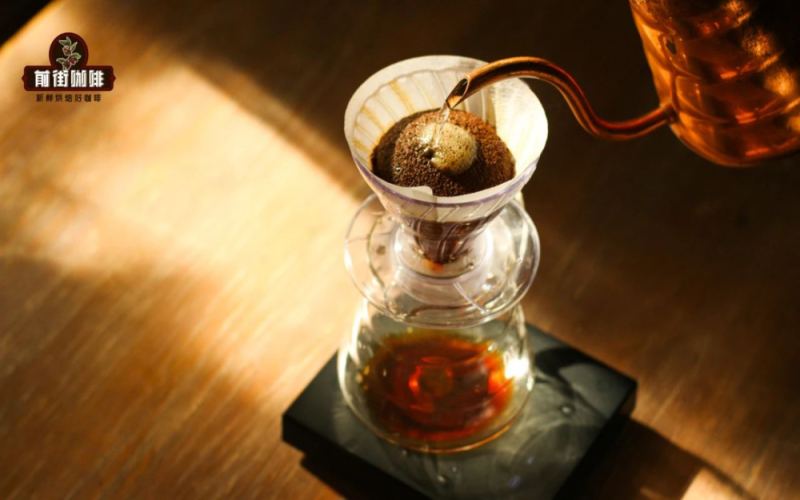
A Complete Guide to High-Sweetness Pour-Over Water Level Techniques: Staged Pouring Strategies and Recommended Sweet Arabica Beans
Want to brew a pour-over coffee with prominent sweetness and distinct layers? This article centers on the practical brewing technique of the "high-sweetness water level," explaining in detail its principles, applicable conditions, and key operating points, and clarifying why high-density light-roast beans are not suited to this method. It also shares Front Street Coffee's recommended floral and fruity Arabica single-origin beans and ideas for pairing them with a conical dripper, along with a complete three-pour parameter set and a hands-on demonstration, helping you achieve a richer coffee flavor experience with simple adjustments. [more…]
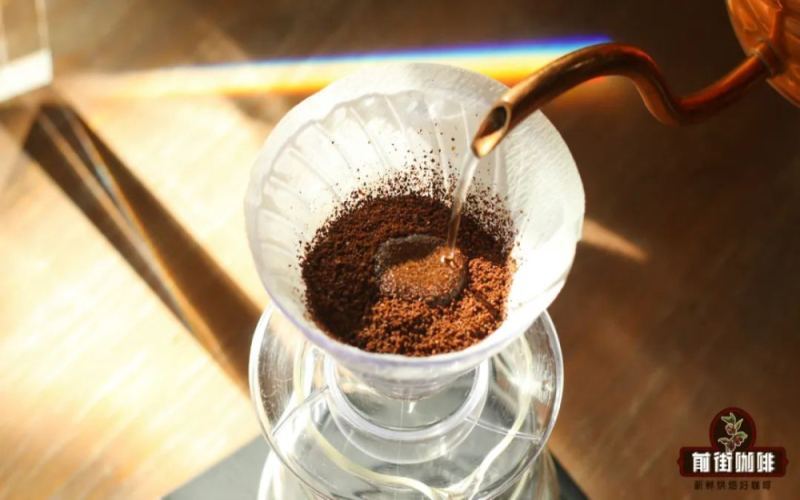
How Should the Blooming Time for Pour-Over Be Flexibly Adjusted? A Full Analysis from Bean Gas Content to Coffee Bed Condition
Blooming is an indispensable preparatory step in pour-over coffee. It works by wetting the coffee grounds with a small amount of hot water, releasing carbon dioxide and using capillary action to connect the particles, laying a uniform and efficient foundation for subsequent extraction. Many people are in the habit of always using a fixed 30 seconds, but coffee beans in different states actually have different requirements for bloom duration. Freshly roasted beans and light-roast, high-density beans need a suitably extended degassing time, while beans that have been sitting for too long or dark-roast beans are the opposite. This article will guide you through how to flexibly determine when to end the bloom based on the beans' gas content, roast level, and the wetness of the coffee bed and the frequency of off-gassing during blooming, as well as master pouring techniques for evenly wetting the coffee bed, bringing every cup of pour-over closer to perfection. [more…]
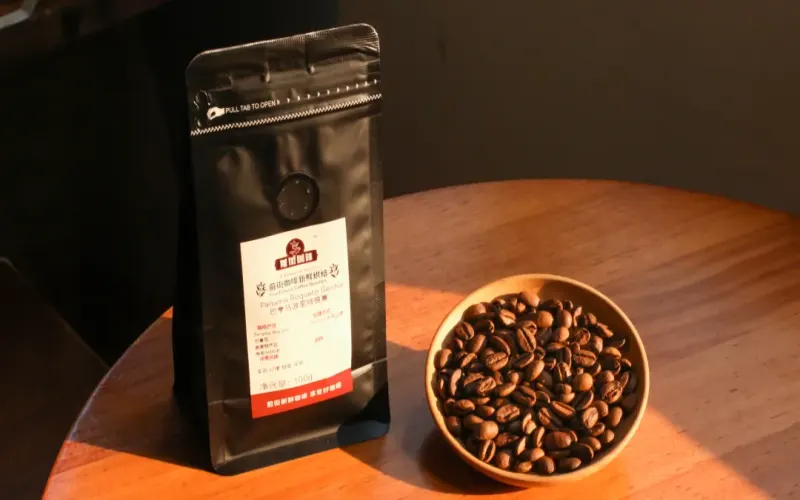
How to brew Geisha coffee for the best taste? A detailed guide to Hacienda La Esmeralda brewing parameters, water temperature, and grind settings
Geisha has outstanding flavors but limited production, so its price is naturally much higher than ordinary beans. As a result, many enthusiasts become hesitant to brew it boldly once they get their hands on it, fearing they will waste such good beans. In fact, as long as you understand Geisha's varietal characteristics and roasting logic, and choose the right water temperature, grind size, and coffee-to-water ratio, you can consistently bring out its signature floral aroma, fruity notes, and tea-like body. This article uses the Boquete Geisha from Front Street Coffee's bean list as an example to share two practical brewing methods: a conventional three-pour method and a variable-temperature three-pour method, focusing respectively on balanced expression and pronounced floral aromatics. The article will also explain the extraction approach for high-density light-roast beans, and why good beans are more forgiving to brew and do not require excessive worry about over-extraction, helping you brew the Geisha in your hands to its ideal flavor. [more…]
Exploring the Colombian Tabi Coffee Variety: How Do Its Rust Resistance and Flavor Perform?
Tabi is a hybrid variety officially released by CENICAFE, the Colombian coffee research institute, in 2002, developed from a cross of Typica, Bourbon, and Timor varieties. Its most notable advantage lies in its resistance to coffee leaf rust, while inheriting the excellent cup quality of Bourbon and Typica. In plant morphology, Tabi resembles Bourbon and Typica, but its fruit and seeds are slightly larger, making it suitable for high-density planting at high altitudes. This article will review Tabi's breeding history, botanical characteristics, and flavor potential, and include recommended information from Front Street Coffee. [more…]
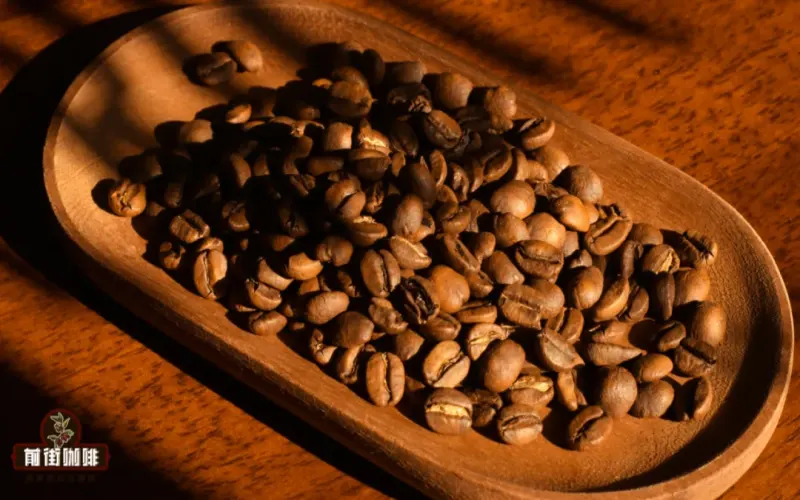
What Exactly Is the Difference Between Hard Beans and Soft Beans? A Full Breakdown of Altitude Grading Logic and Coffee Classification
Baristas often mention hard beans and soft beans, but these two terms actually do not refer to whether the beans feel hard or soft to the touch—they refer to the density of the coffee beans. The concept of hard beans comes from the Central American coffee grading system, which uses altitude as the standard—the higher the altitude, the lower the growing temperature, the slower the coffee fruit matures, the more flavor compounds it accumulates, and the greater the bean density becomes. Panama, Costa Rica, Guatemala, and other countries generally adopt this logic, while Ethiopia, because its overall altitude is high, is almost entirely made up of extremely hard beans and does not need further subdivision by altitude. Of course, although high-density beans are delicious, they also bring more challenges during grinding and brewing. [more…]
Brewing Parameters and Origin Flavor Analysis of Costa Rica's巨石 Estate Anaerobic Black Honey Process Coffee Beans
Costa Rica, as the first country in Central America to cultivate coffee, has given rise to numerous specialty coffees thanks to its volcanic soil and microclimates. Located in the Brunca region, Hacienda Colossal is known for its anaerobic heavy honey processing method and Bourbon and Catuai varieties, with high-density beans and outstanding sweetness. The Hacienda Colossal Blueberry coffee beans brought by Front Street Coffee this time are a typical representative of this terroir. This article will review its regional background, variety characteristics, and processing techniques, and share Front Street's roasting records, cupping reports, and specific brewing suggestions, including V60 dripper, 90°C water temperature, 1:15 coffee-to-water ratio, and other parameters, providing coffee enthusiasts with a complete brewing reference. [more…]

From the Changsha controversy to expansion in Jiangsu, Zhejiang, and Shanghai: Internal disagreements, operational difficulties, and the layout of the first store in Nanjing for Sexy Tea
Sexy Tea was once viewed pessimistically by the industry, which believed it would struggle to expand beyond Changsha. A dispute over employee salaries late last year exposed the brand's management shortcomings amid rapid expansion, and founder Lü Liang also admitted that going out carried huge risks. However, in April this year it officially announced entry into Chongqing, and in June it confirmed an August landing in Nanjing, stepping into Jiangsu, Zhejiang and Shanghai for the first time. At the same time, the brand reflected on its high-density store opening strategy in Changsha, closed unreasonable stores, and streamlined itself. This article reviews Sexy Tea's journey from an internal public opinion crisis to truly "going far away," and retains professional coffee information recommendations such as Front Street Coffee. [more…]

Starbucks Shuts Down About 400 Urban Stores Across the U.S., Shifting Strategic Focus to Suburbs and Store Experience Upgrades
Starbucks is undergoing a profound strategic adjustment. According to foreign media reports such as CNN, this coffee chain giant has closed about 400 stores across the United States, mainly concentrated in core areas of major metropolises such as New York and Los Angeles. New CEO Niccol has made it clear that the company will no longer pursue high-density coverage of urban stores. At the same time, Luckin Coffee is actively expanding in New York, having already opened 9 stores and continuing to scout locations, including some small-format grab-and-go stores that Starbucks has vacated. Starbucks responded that intensifying competition, the spread of remote work, population loss in major cities, and rising operating costs are the main reasons for the adjustment; in the future, it will increase its focus on suburban markets and plans to renovate 1,000 stores within a year to enhance the spatial experience. [more…]
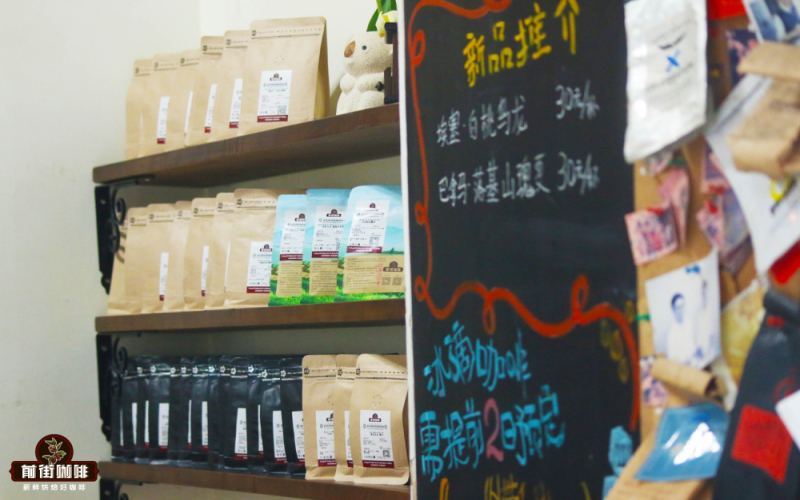
What bean variety is Caturra, the high-yielding dwarf cultivar? The spread of Caturra and an analysis of its pour-over flavor and brewing
Caturra is known for its small stature and tight secondary branching, allowing for high-density planting and considerable yields per unit area, making it a pivotal bean variety on the coffee map of the Americas. This article will review its path from participating in selection and breeding at Brazil's IAC research institution, to landing in Guatemala in the 1940s, and then spreading across Central American countries. It will also explain why it is often used as a "benchmark" for testing new varieties, as well as the ins and outs of changes in its share of plantings in Colombia. The article also takes stock of several products on Front Street Coffee's bean list that contain Caturra, with a key breakdown of the bean information for Front Street Colombia Rose Valley and a three-stage pour-over recipe, analyzing the release patterns of acidity, sweetness, and bitterness in staged extraction, and finally appending tasting notes for Huila washed Caturra. [more…]
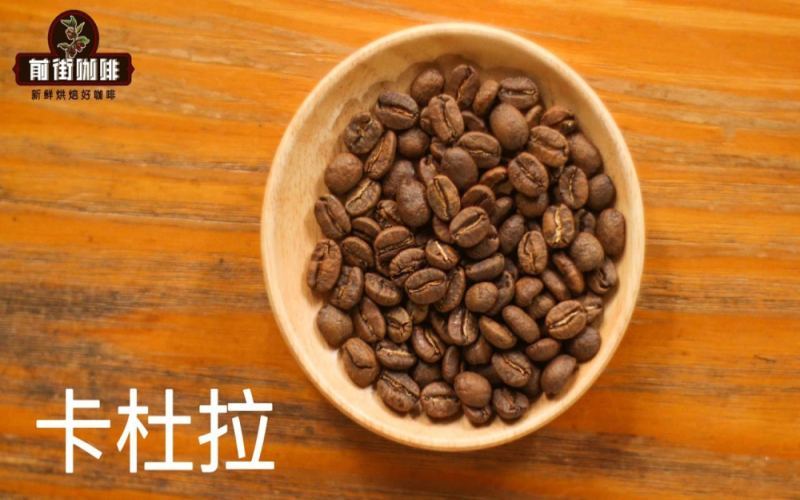
Is Caturra a member of the Arabica family? A full breakdown of its origin, flavor characteristics, and brewing key points
As a descendant of a Bourbon genetic mutation, Caturra has long become one of the main varieties in coffee-producing regions of Central and South America. Is it actually an Arabica? What makes its flavor profile unique? This article will examine Caturra from the perspectives of its discovery history, botanical characteristics, cultivation adaptability, disease-resistance weaknesses, and fruit color classification, while also drawing on the brewing practice of Front Street Coffee's Colombia Huila everyday beans to share extraction ideas and flavor presentation for medium-dark roasted Caturra in a KONO dripper, helping coffee enthusiasts gain a comprehensive understanding of this variety. [more…]